
Arthritis
How Chinese Medicine Alleviates Joint Pain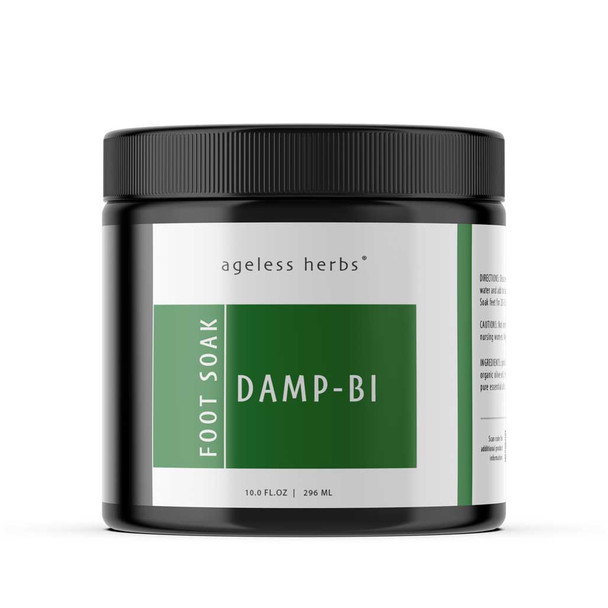
In Chinese medicine, there are several different patterns and underlying conditions that can lead to arthritis. The organ systems according to Chinese medicine are interrelated, and when one becomes imbalanced it affects the other organs. Therefore, one condition such as arthritis can manifest itself in many different syndromes. For best outcomes using self-care, combine associated Aroma Acu-Sticks® to acu-points, topical remedies, and good lifestyle practices.

Acupressure Points for Joint Pain
Learn How to Effectively Activate Acupressure Points Linked Here!
- Apply the Earth Element Acupressure Stick to Acupressure Point Spleen 9
- Apply the Earth Element Acupressure Stick to Acupressure Point Spleen 10
- Apply the Earth Element Acupressure Stick to Acupressure Point Stomach 40
- Apply the Metal Element Acupressure Stick to Acupressure Point Large Intestine 4
- Apply the Wood Element Acupressure Stick to Acupressure Point Liver 3

Symptoms of Imbalances that Cause Arthritis in Chinese Medicine
In Chinese medicine, there are several different patterns and underlying conditions that can lead to arthritis. The organ systems according to Chinese medicine are interrelated, and when one becomes imbalanced it affects the other organs that are most vulnerable. Therefore, one condition such as arthritis can manifest itself in many different syndromes. Herb formulas would be combined depending on indications. Here are some of the common patterns associated with arthritic conditions:
Liver Imbalances with Arthritis
Most arthritic conditions have an underlying Liver disorder, as the Liver organ system governs over the tendons. It is important to keep the Liver nourished so that it can produce abundant "Liver Blood" to keep the tendons and ligaments moist and flexible. Also, if the Liver energy becomes stagnant, often referred to as Liver Qi (Chi) Stagnation, the Liver begins to heat up and attack other vulnerable organs leading to other diseases. Soothing the Liver with herbs such as bupleurum is a common strategy when treating oseo-arthritis with Chinese medicine.
Liver-Spleen Imbalances and Arthritis
The Liver and Spleen organ systems are closely related through the Controlling (Ko) Cycle in Chinese medicine. The Spleen is one of the energetic organ systems, when deficient, that is responsible for Internal Dampness. This type of arthritis would be aggravated with damp conditions and changing weather conditions. Often, rheumatoid arthritis has elements of pathogenic Dampness and Damp Heat; these are called Damp-Bi Syndrome (Bi just means pain).
Qi Deficiency and Arthritis
Qi, or Chi, is the vital energy that flows through our bodies. Where Qi goes, Blood follows. Qi is Yang in nature, therefore, we feel cold if we are Qi deficient. Organs depend on abundant Qi for nourishment that allows them to function properly. Muscles and tendons rely on Qi and Blood for nourishment so they do not become weak and susceptible to disease. Because Qi Deficiency causes coldness in the body, arthritic conditions due to, or partially due to, Qi Deficiency may be aggravated by the cold conditions in winter.
Liver-Kidney Imbalances and Arthritis
In Chinese medicine, the Liver and Kidney are closely interrelated, as the Kidney is the mother of the Liver according to the Supporting (Shen) Cycle. This type of syndrome typically leads to gout-type arthritic conditions that are due to improper water metabolism. Additionally, knee pain is related to Kidney Deficiency in Chinese medicine.
Ancestral Qi, or Genes and Arthritis
While DNA was only discovered in Western medicine in the 1950’s, Chinese medicine has recognized for thousands of years the influence of familial disease patterns they call Ancestral Qi. Many people feel as though they are simply destined to suffer when a disease is due to genetic abnormalities, but lifestyle can play a large role in offsetting chronic diseases due to heredity. As with any chronic disease, genetically based arthritis can be improved using the herbs listed above, Qi Gong Exercises, and a whole foods diet.
Lifestyle Practices that Help to Prevent and Resolve Osteo-Arthritis
Emotional Balance
Pent up resentment leading to suppressed anger and frustration would relate to the Wood Element, and could likely lead to Liver Qi Stagnation. In Chinese medicine, emotions play a central role in disease processes; the mind and body cannot be separated. Working through anger with flower essences, breathing exercises, and forgiveness work can be vital in the reversal of arthritic conditions. Liver Qi Stagnation can also cause a general feeling of being stuck, or stuck emotions. Prolonged stress is also a major cause of Liver constraints.
Diet and Osteo-Arthritis
Chinese food therapy. Processed foods and fast foods laden with saturated and hydrogenated fats increase the inflammatory response in the body and should be avoided. Most whole foods are appropriate to utilize with osteo-arthritis, but some people have sensitivities to vegetables in the nightshade family such as eggplant, tomatoes, and potatoes, and these vegetables may increase inflammation in those individuals.
Exercise and Osteo-Arthritis
Movement increases blood flow to the joints and is vital in the prevention and treatment of osteo-arthritis. Gentle Qi Gong exercises such as Tai Qi can be performed by those at any stage of osteoarthritis, even if restricted movement is presenting. Yoga also improves flexibility through stretching and can improve the range of joint movement and local classes are common. A brisk walk helps to alleviate Liver Qi Stagnation, and 9-12 miles of walking per week would be ideal.
Essential Oils for Topical Application for Arthritis

Pure essential oils should be diluted to 5% in a carrier oil or cream before applying to the skin to avoid burns. There are many ways to improve osteo-arthritis using essential oils applied topically to the joints. Rosemary and frankincense essential oils are two of the best essential oils for increasing circulation and blood flow to the joints. Palmarosa and marjoram essential oils are natural anti-inflammatory substances. Black pepper essential oil, clove essential oils and camphor essential oil all work as counter-irritants that bring pain relief to joints. Ginger essential oil is especially warming for stiff joints and increases blood flow to the joints.
Osteo-Arthritis and Traditional Chinese Medical Theory
Traditional Chinese medicine does not recognize arthritis as one particular syndrome. Instead, it aims to treat the specific symptoms that are unique to each individual using a variety of techniques such as acupuncture, Chinese Herbal Medicine, bodywork, lifestyle/dietary recommendations and energetic exercises to restore imbalances found in the body. Therefore, if 10 patients are treated with Oriental Medicine for joint pain, each of these 10 patients will possibly receive 10 unique therapies with different herbal recommendations therapy combinations as discussed above.
The imbalances that manifest as arthritis develop in the body over many years and the symptoms of joint pain and stiffness occur in the later stages of the disease according to Chinese medicine. You may find immediate temporary relief utilizing herb formulas, but expect 10 months or more of herbal use before the underlying core issues are resolved. Many believe that osteo-arthritis is a degenerative condition that is inevitable with aging; this characterizes a lack of knowledge concerning healthy aging strategies in our culture. It is wholly realistic to expect to maintain flexibility and mobility in to our senior years. .
Development of Osteo-Arthritis
In addition to trauma or genetic disposition (Ancestral Qi), Chinese medicine delineates the progression and causes of arthritis in great detail. Osteo-arthritis will develop in different ways and at different rates for each individual; however, this is a general guide to describe the development of this chronic condition.
Stage 1
Initially, Qi Deficiency develops due to overwork or poor eating habits and the body is unable to circulate adequate Qi to all of the organ systems, and is unable to help usher Blood to the joints. The Lungs circulate Wei Qi , or Defensive Qi on the exterior of our bodies to protect us from the invasion of exterior pathogens. Qi Deficiency and the deterioration of Wei Qi leads to the invasion of wind, cold, and damp evils that lodge in the joints. Typically, the development of arthritis also indicates a long standing imbalance in the Liver Energetic Organ System according to Chinese medicine, as the Liver govern over the joints.
Stage 2
Chronic exterior pathogens lodged in the joints create obstructions and cause Qi and Blood stagnation. When Qi and Blood are unable to circulate freely, they area begins to heat up and creates redness and swelling. If the arthritis is not addressed and treated correctly, the condition oscillates between wind invasions with wandering pain, Dampness with achy joints during wet weather, cold invasions causing stiffness, especially in the winter, and pain and swelling.
Stage 3
Chronic Qi stagnation and Blood stagnation indicate an impediment of the circulation; the joints are not moistened or nourished and become brittle, malformed, and deteriorate.
Trauma, Surgery, or Injury and Arthritis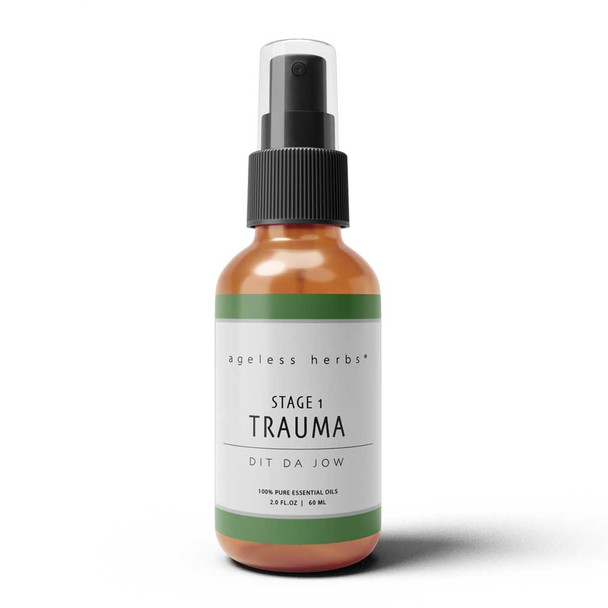
According to Chinese medicine, if an injury is not properly treated Qi Stagnation can occur at the sight of the injury. You can see this happen in muscles and joints often occurring with stiffness. Pain is a common sign of Blood Stagnation that develops as a result of the Qi Stagnation. As the sight of the injury becomes more chronic without the proper application of herbs, acupuncture, moxibustion, or other therapies that move Qi and Blood, an accumulation of calcium, uric acid crystals, or other substances can occur. It’s much like a sticky spot on the floor; if you do not mop it up, more and more debris accumulates there. The longer the arthritis is left untreated, the longer it will take to reverse the condition and permanent deformation can occur.
Related Article: Read How to Address and Resolve Traumatic and Sports Injury Here!
Note About General Acupressure Points for Arthritis and Joint Pain
Acupressure points that address arthritis are located all over the body, not just directly over the affected area. In Chinese medicine, arthritis is a complicated internal condition that involves many possible causes. According to Chinese medical theory, arthritis arises when the cyclical flow of Qi in the meridians becomes blocked. This blockage is called, "bi" syndrome type pain and is widely studied and successfully treated using a combination of acupuncture/acupressure and/or Chinese herbs.
Li LW, Harris RE, Tsodikov A, Struble L, Murphy SL. Self-Acupressure for Older Adults With Symptomatic Knee Osteoarthritis: A Randomized Controlled Trial. Arthritis Care Res (Hoboken). 2018 Feb;70(2):221-229. doi: 10.1002/acr.23262. Epub 2017 Dec 29. PMID: 28437570.
Cheung DST, Yeung WF, Suen LK, Chong TC, Ho YS, Yu BY, Chan LY, Chen HY, Lao LX. Self-administered acupressure for knee osteoarthritis in middle-aged and older adults: a pilot randomized controlled trial. Acupunct Med. 2020 Apr;38(2):75-85. doi: 10.1177/0964528419883269. Epub 2019 Nov 13. PMID: 31718229.
Nasiri A, Mahmodi MA, Nobakht Z. Effect of aromatherapy massage with lavender essential oil on pain in patients with osteoarthritis of the knee: A randomized controlled clinical trial. Complement Ther Clin Pract. 2016 Nov;25:75-80. doi: 10.1016/j.ctcp.2016.08.002. Epub 2016 Aug 3. PMID: 27863613.
Marrelli M, Amodeo V, Perri MR, Conforti F, Statti G. Essential Oils and Bioactive Components against Arthritis: A Novel Perspective on Their Therapeutic Potential. Plants (Basel). 2020 Sep 23;9(10):1252. doi: 10.3390/plants9101252. PMID: 32977657; PMCID: PMC7598204.
Zhao L, Cheng K, Wang L, Wu F, Deng H, Tan M, et al. Effectiveness of moxibustion treatment as adjunctive therapy in osteoarthritis of the knee: a randomized, double‐blinded, placebo‐controlled clinical trial. Arthritis Research & Therapy 2014;16(3):R133.
This information has not been evaluated by the Food and Drug Administration. This information is not intended to diagnose, treat, cure, or prevent any disease.